Now through October 31, we're waiving application fees for all domestic freshman and transfer applicants!
*Common app code: Central27
/applied-statistics-analytics-ms-1800x5401086e3f4-3781-49f4-bd7b-9abd998bc21c.webp?sfvrsn=ae06e82b_4)
/applied-statistics-analytics-ms-420x560e4ff5ffc-5eb9-43ad-ad8a-359b2936ffba.webp?sfvrsn=212bdb8e_8)
Applied Statistics and Analytics
Master's
Applied statistics overview
Data is everywhere—but few know how to use it well. With a master of science in applied statistics and analytics, you’ll turn raw data into insight and drive smarter decisions. Build real-world expertise in applied statistics and prepare to lead in a fast-growing field.
AT A GLANCE
Degree Type
Master of Science (M.S.)
Format
On Campus
Credit Hours
30 - 33 Credit Hours
Why study applied statistics?
Our master’s in applied statistics and analytics equips you with advanced skills to thrive in today’s data-driven world. You’ll build real-world expertise in applied statistics, data science, programming and predictive modeling—plus the communication and collaboration skills employers look for.
Coursework includes topics like data management, big data analytics and machine learning. Most classes feature semester-long research projects and many students present at our Student Research and Creative Endeavors Exhibition. Top projects have earned international recognition in SAS-sponsored competitions.
Through our partnership with the SAS Institute, you’ll be prepared to earn two certifications: the SAS Base Programming Certification and the Predictive Modeler Professional Certification.
Graduate teaching assistantships are available for qualified students with strong academic and teaching backgrounds.
Applied statistics highlights
As a student in our applied statistics and analytics master’s program, you’ll:
- Work closely with expert faculty: Learn from mentors specializing in actuarial and risk analysis, Bayesian applications and data mining.
- Master the tools of applied statistics: Build analytical skills to interpret and apply big data across industries.
- Gain hands-on experience: Take on internships or research projects guided by faculty or industry partners.
Accelerated master's in statistics
Save time and money when you earn an undergraduate degree AND a graduate degree in an accelerated master’s program. You may be able to double-count 12 credits.
By double-counting all 12 credits, domestic students save up to $3,324 and international students save up to $1,248.
Careers in applied statistics
This program prepares you to lead where data drives decisions. With a background in applied statistics, you’ll qualify for roles in business analytics, healthcare, finance, insurance, research and public policy. As demand surges for professionals who can turn complex data into actionable insight, your skills will set you apart.
| Career | Projected Salary |
|---|---|
| Data Engineer | $112,590 |
| Financial Quantitative Analyst | $101,910 |
| Data Analyst (General) | $91,290 |
| Strategic Marketing Analyst | $76,950 |
| Statistical Reporting Analyst | $112,950 |
| Business Intelligence Analyst | $101,190 |
| Financial and Investment Analyst | $101,910 |

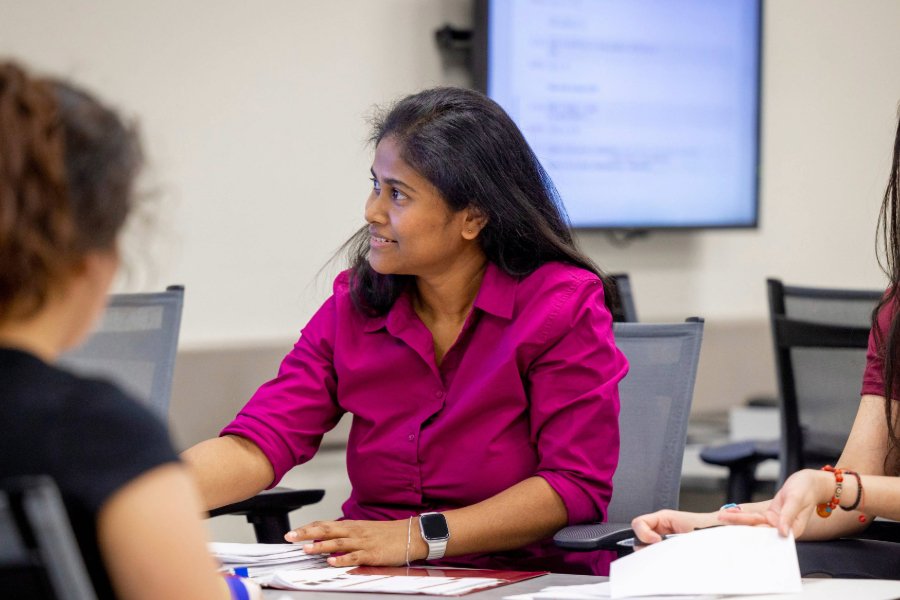
Connect with the STAD community
The Statistics and Data Science Club brings together students interested in applied statistics and data science. Join bi-weekly meetings, hear from industry speakers and grad students and gain hands-on experience that extends beyond the classroom.
Request Information about CMU
Loading...
By submitting this form, I agree to receive calls, emails and/or text messages from Central Michigan University to discuss furthering my education.